
Modern construction sites bear little resemblance to the labor-intensive operations of decades past. Today’s projects demand precision, speed, and safety at a scale that would have been unimaginable to previous generations of builders. Behind every successful build stands a carefully curated fleet of machinery, each piece selected to perform a specific role within a complex operational ecosystem. For contractors, project managers, and industry stakeholders, understanding this equipment is not merely academic—it is fundamental to planning budgets, timelines, and workforce deployment. This article examines the essential construction equipment that defines the modern job site, organized by function and application.
Earthmoving Equipment: The Foundation of Every Project
Before a single structural element rises from the ground, the terrain must be shaped, leveled, and prepared. Earthmoving equipment performs this critical work, and its selection directly influences the pace of everything that follows.
Excavators
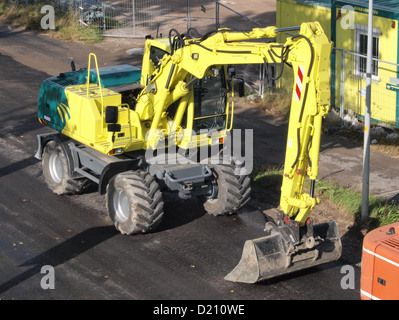
The excavator remains the most versatile machine on most sites. Available in sizes ranging from compact mini-excavators suited to residential landscaping to massive tracked units capable of moving tons of material per hour, these machines handle trenching, demolition, grading, and material loading. Modern excavators increasingly incorporate GPS-guided grade control, which allows operators to achieve precise elevations without repeated manual surveying.
Bulldozers and Wheel Loaders
Bulldozers excel at pushing large volumes of soil and clearing debris, making them indispensable for site preparation and rough grading. Wheel loaders, by contrast, offer greater mobility and are typically deployed to load trucks, stockpile materials, and move aggregate across the site. Together, these machines form the backbone of bulk material handling.
Backhoe Loaders
For smaller projects or sites requiring operational flexibility, the backhoe loader combines a front-end loader bucket with a rear-mounted digging arm. This dual functionality makes it a cost-effective choice for utility work, trenching, and general excavation tasks where deploying separate machines would be impractical.
Lifting and Hoisting Equipment
Vertical movement of materials and components defines the structural phase of construction. Lifting equipment must be matched carefully to load requirements, site geometry, and safety regulations.
- Tower cranes: Fixed to the ground or building structure, tower cranes provide exceptional reach and lifting capacity for high-rise construction, dominating the skyline of major urban projects.
- Mobile cranes: Truck-mounted or crawler-based units offer mobility and rapid setup, ideal for projects requiring lifting capability at multiple locations.
- Telehandlers: These telescopic boom forklifts have become ubiquitous on modern sites, combining material handling with the ability to reach elevated work areas safely.
- Hoists and lifts: Personnel and material hoists move workers and supplies vertically through multi-story structures throughout the construction process.
Concrete and Compaction Equipment
Concrete remains the most widely used construction material worldwide, and the equipment supporting its placement and finishing has evolved considerably.
Concrete Mixers and Pumps
Transit mixers deliver ready-mix concrete from batch plants to the site, while concrete pumps—boomed or line-based—place material precisely at height or in areas inaccessible to trucks. For large pours, pump trucks dramatically reduce labor requirements and accelerate placement schedules.
Compaction Equipment
Proper soil and asphalt compaction prevents settlement and extends the service life of pavements and foundations. Plate compactors, vibratory rollers, and rammers each serve distinct applications, from confined trench backfill to large-scale roadway subgrade preparation.
Support and Site Management Equipment
Beyond the headline machines, a range of supporting equipment keeps modern sites productive and compliant.
| Generators | Power supply | Off-grid sites, backup power, tool operation |
| Light towers | Illumination | Night shifts, winter scheduling, security |
| Air compressors | Pneumatic power | Jackhammers, sprayers, cleaning |
| Water pumps | Dewatering | Excavation pits, flood control |
| Skid-steer loaders | Versatile handling | Site cleanup, snow removal, grading |
Technology Integration and the Modern Fleet
What distinguishes contemporary equipment from its predecessors is the integration of digital technology. Telematics systems transmit real-time data on machine location, fuel consumption, maintenance needs, and operator performance. GPS-guided grading reduces rework and material waste. Collision avoidance systems and 360-degree camera arrays protect workers in high-traffic zones. For fleet managers, this data transforms equipment from a capital expense into a measurable, optimizable asset.
Procurement decisions increasingly weigh these technological capabilities alongside traditional specifications. Contractors who invest in connected equipment gain advantages in scheduling accuracy, maintenance planning, and safety compliance—factors that directly affect project profitability.
Safety and Operator Requirements
Every piece of heavy equipment carries inherent risk, and modern job sites enforce rigorous safety protocols. Operators must hold appropriate certifications, and equipment must undergo regular inspection. Personal protective equipment, machine guards, and exclusion zones are non-negotiable. Project managers should verify that all machinery meets current regulatory standards and that operating procedures are documented and enforced.
Conclusion
The modern construction job site is a coordinated assembly of specialized machinery, each component selected to maximize productivity, safety, and quality. From the excavators that shape the ground to the tower cranes that raise steel and concrete into the sky, this equipment represents substantial capital investment and operational responsibility. Professionals who understand the capabilities, limitations, and proper deployment of this machinery are better positioned to deliver projects on time, on budget, and to specification. As technology continues to reshape the industry, the equipment fleet will remain the defining physical asset of any construction enterprise—and mastery of it, a defining professional competency.