
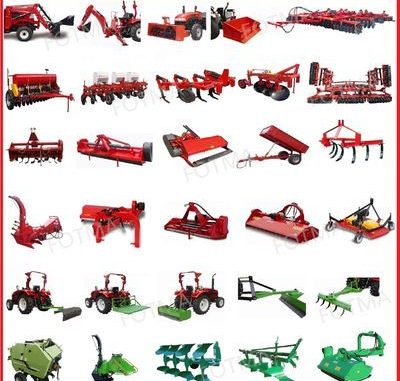
A tractor is only as versatile as the implements paired with it. While the machine itself provides the power and traction, the attachment determines the actual work performed in the field, barn, or yard. For modern farming operations, understanding the range of available attachments is essential to maximizing return on equipment investment and reducing reliance on hired machinery. This guide outlines the tractor attachments every farmer should know about, organized by function and practical application.
Why Attachment Selection Matters
Choosing the right attachments affects productivity, fuel efficiency, and soil health. A well-matched implement allows a single tractor to handle tasks across multiple seasons, from primary tillage to material handling. Conversely, a poorly matched attachment can strain the tractor’s hydraulics, waste fuel, and deliver substandard results. The following categories represent the core implements that form a functional and efficient fleet.
Soil Preparation Attachments
Soil preparation is the foundation of crop production, and the attachments used here directly influence seedbed quality and yield potential.
Plows
Moldboard and chisel plows remain the standard for primary tillage. Moldboard plows invert soil to bury residue and break compaction layers, while chisel plows fracture subsoil without turning it over, preserving residue cover for erosion control. Farmers should select plow type based on soil structure, residue management goals, and erosion risk.
Disc Harrows
Disc harrows break up clods and incorporate crop residue after plowing. They are effective for secondary tillage and seedbed finishing. Tandem disc harrows offer aggressive soil mixing, while offset disc harrows suit heavier residue conditions.
Rotary Tillers and Power Harrows
For specialty crops, vegetable production, and small-acreage operations, rotary tillers and power harrows prepare fine, uniform seedbeds in a single pass. These attachments require adequate PTO horsepower and are best suited to lighter soils or well-worked ground.
Planting and Seeding Attachments
Precision at planting translates directly into emergence uniformity and yield.
- Row crop planters: Meter seed precisely for corn, soybeans, and other row crops, with options for fertilizer and pesticide application.
- Grain drills: Distribute seed and fertilizer in narrow rows for cereals, forage grasses, and cover crops.
- Broadcast seeders: Spread seed, fertilizer, and lime across the surface for pasture renovation and cover crop establishment.
- No-till attachments: Coulters and row cleaners allow planting directly into residue, conserving moisture and reducing erosion.
Crop Care and Maintenance Attachments
In-season implements protect crop health and manage nutrients throughout the growing cycle.
Sprayers and Spreaders
Mounted and trailed sprayers apply herbicides, fungicides, and liquid nutrients with precision. Fertilizer spreaders handle dry granular application for broadcast fertility programs. Calibration accuracy and boom or spreader width matching are critical considerations.
Mowers and Shredders
Rotary mowers and flail shredders manage pastures, roadside verges, and crop residue. Flail shredders provide finer chop for residue breakdown, while rotary cutters excel at heavier brush and rough terrain.
Harvest and Forage Attachments
Harvest equipment must match crop type and volume to avoid bottlenecks.
- Balers: Round and square balers convert hay and straw into transportable, storable units.
- Mower-conditioners: Cut and crimp forage stems to accelerate drying for hay production.
- Rakes and tedders: Manage windrow formation and drying uniformity.
- Combine headers: Grain platforms and corn heads adapt combines to specific crop and row configurations.
Material Handling and Utility Attachments
Utility attachments extend tractor value beyond field work and into daily farm operations.
Front-End Loaders
A front-end loader is among the most versatile attachments available. With quick-attach capability, it accepts buckets, pallet forks, bale spears, grapples, and snow blades. Loaders reduce manual labor for feed handling, manure management, and material transport.
Backhoes and Post Hole Diggers
Backhoe attachments support drainage work, trenching, and excavation. Post hole diggers accelerate fence and structure installation. Both require careful attention to tractor ballast and hydraulic capacity.
| Plows and Discs | Primary and secondary tillage | Spring / Fall |
| Planters and Drills | Seed placement | Spring |
| Sprayers | Crop protection and nutrition | Growing season |
| Mowers and Balers | Forage and residue management | Summer |
| Loaders and Utility Implements | Material handling | Year-round |
Selection Criteria for Farm Attachments
Before purchasing, farmers should evaluate several factors to ensure compatibility and durability:
Conclusion
The right attachment portfolio transforms a tractor from a single-purpose machine into a year-round workhorse. By understanding the functions and limitations of soil preparation, planting, crop care, harvest, and utility implements, farmers can build an efficient equipment lineup that supports productivity and protects the land. Careful matching of attachments to tractor capability and operation scale remains the most reliable path to long-term equipment value.